


In the early 1940s, a young generation of American musicians expanded the creative potential of jazz, giving rise to bebop—a style that marked a departure from previous jazz forms. Unlike its predecessors, bebop wasn’t dance-oriented; instead, it required focused listening, signifying the transition of jazz from entertainment to an intellectual art form. Queens became a creative incubator, drawing legendary jazz musicians who gathered, experimented, and introduced new masterpieces to the world. Read more about this modern jazz genre and Queens’ role in its development on queens-trend.
Origins in Harlem
Bebop, often referred to simply as “bop,” is characterized by its rapid tempo (often over 200 beats per minute), complex chord progressions with abrupt key changes, and an intricate interplay of tonality. Instrumental virtuosity and improvisation also define the genre, allowing musicians to explore faster tempos and refine harmonies with syncopation, altered chords, and asymmetric phrasing.
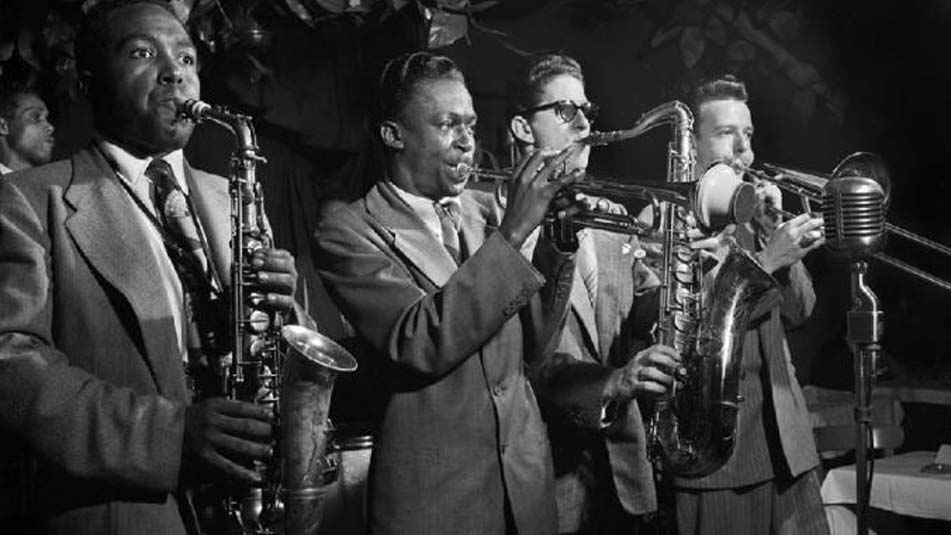
The name “bebop” originates from the nonsensical sounds vocalists improvised during jazz performances. The earliest known reference to bebop can be found in McKinney’s Cotton Pickers’ 1928 track, “Four or Five Times.” Bebop emerged from late-night jam sessions in Harlem, where musicians improvised on standard melodies, songs, and chord sequences. Key pioneers of the style include alto saxophonist Charlie Parker, trumpeter Dizzy Gillespie, and pianists Thelonious Monk and Bud Powell.
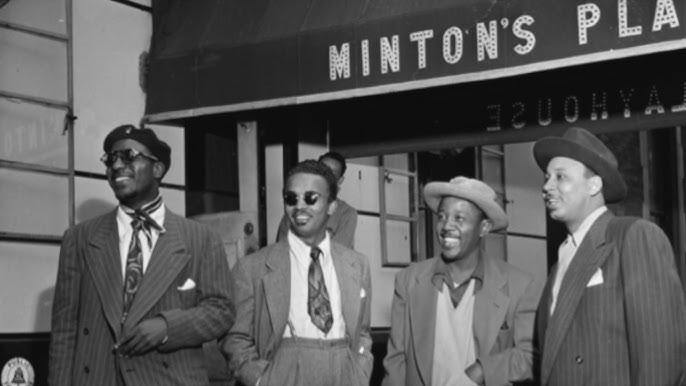
Harlem’s Minton’s Playhouse was a central hub where musicians gathered during times of social unrest and high unemployment, providing a refuge for Black artists to experiment freely and craft new musical forms. Bebop became a tapestry of expressive improvisation woven by marginalized voices in the music industry.
Defining Features of Bebop
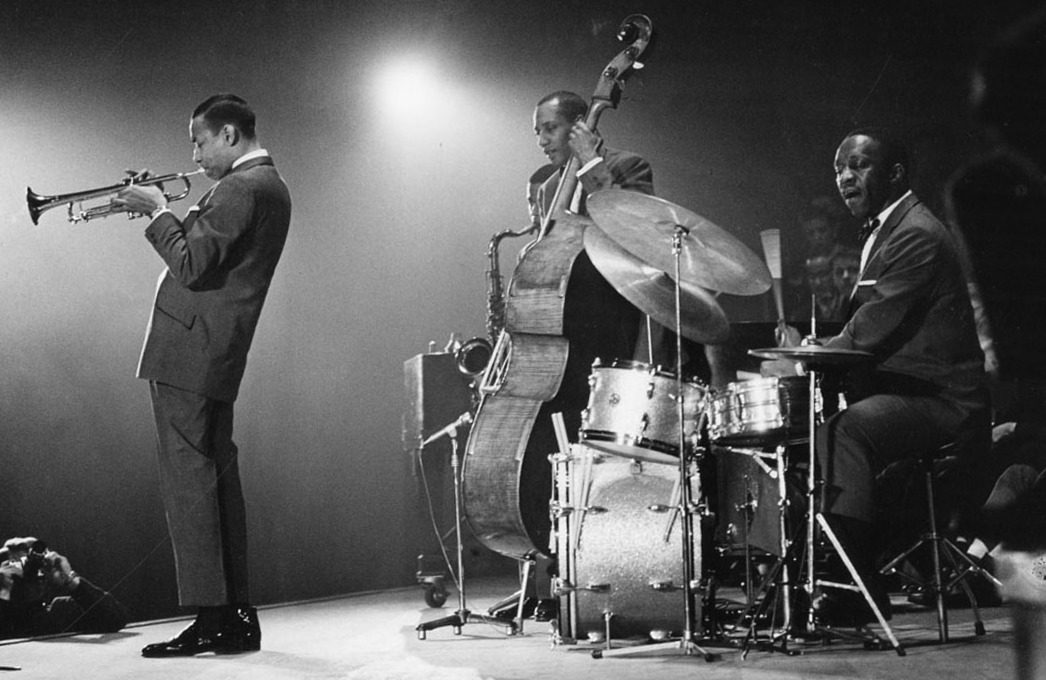
Bebop is often performed by small ensembles with virtuosic soloists, typically featuring one to three horns (trumpets or saxophones), piano, bass, and drums—forming the classic jazz orchestra arrangement.
Key elements of the bebop style include:
- Fast Tempo: Bebop musicians performed primarily for listening rather than dancing, allowing for rapid tempos.
- Expanded Rhythm Section Role: While soloists are central, the rhythm section also plays an essential role, providing a foundational beat structure.
- Experimentation: Bebop musicians emphasized complex harmonies and unpredictable rhythms.
- Improvisation: Musicians start with a thematic melody accompanied by the rhythm section; each player then takes a solo, followed by a return to the initial melody.
- Contrafacts: New melodies are crafted over existing harmonic structures, allowing musicians to claim rights over new melodies while reusing harmonic backbones.
Queens as a Jazz Incubator
Although Harlem was the epicenter of jazz clubs, many jazz musicians resided on the tree-lined streets of Queens. Jazz originated among oppressed African American communities in the late 19th and early 20th centuries. During the Great Migration, many African Americans left the South in search of better opportunities in places like California, Chicago, Philadelphia, Detroit, and New York. Queens attracted many, offering a quieter, suburban environment compared to the bustling boroughs of Manhattan and Brooklyn. By the mid-20th century, Queens had become a stronghold of jazz innovation, and consequently, of bebop.
Black jazz virtuosos found solace in neighborhoods that embraced their cultural identity. Two notable jazz communities formed in Queens: one in Addisleigh Park, where composer Clarence Williams moved with his wife in the 1930s, and another in Corona, where jazz legend Louis Armstrong lived until his passing. Renowned musicians such as trumpeters Dizzy Gillespie, Clark Terry, and vocalist Ella Fitzgerald also made Queens their home.
Though bebop didn’t originate in Queens, the borough became a sanctuary for jazz musicians. Over the years, Queens’ demographics transformed significantly. In the 1960s, a wave of Latin American immigrants replaced much of the Italian population, drawn to the borough’s affordable housing and welcoming community. Queens became a home for immigrants from Mexico, Ecuador, and the Dominican Republic.
Bebop Pioneer Dizzy Gillespie
Dizzy Gillespie, a legendary jazz trumpeter, was one of bebop’s trailblazers and key promoters. Alongside fellow musicians, Gillespie gathered not only in Harlem, where bebop originated but also in Queens. His own three-story Colonial Revival building in Corona served as a creative space where he frequently invited fellow musicians to experiment and hone their craft. Queens provided the perfect setting for Gillespie to perfect his art. Among the celebrated albums he recorded in Queens are “Jazz at Massey Hall” (1954) and “Manteca” (1958).
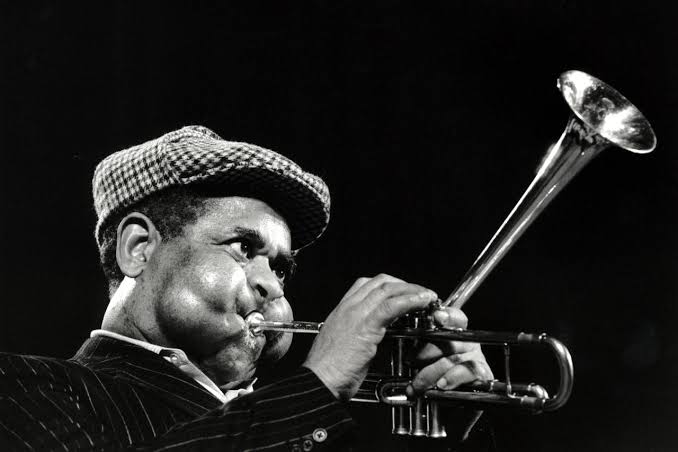
A true improviser, Gillespie built on the style of trumpeter Roy Eldridge, adding harmonic and rhythmic complexities previously unseen in jazz. His blend of musical prowess and humor helped popularize bebop. Born in South Carolina, Gillespie found fame in New York, introduced to music by his father, an amateur bandleader. He began playing the trumpet at 14 after first trying the trombone.
The year 1945 was pivotal for both bebop and Gillespie. He recorded many ensemble hits with Charlie Parker, such as “Salt Peanuts,” and formed his own bebop band. Despite economic challenges, the group thrived for four years and included future jazz icons like saxophonists Gene Ammons, Yusef Lateef, and Paul Gonsalves.
By the late 1940s, Gillespie founded his own orchestra, one of the finest large jazz ensembles, known for its intricate arrangements and instrumental virtuosity. He collaborated with other jazz legends and led small groups until the 1980s. Gillespie’s contributions to jazz, particularly bebop, are immeasurable—his trumpet style inspired many successors, and his compositions became part of the jazz canon. Together with Charlie Parker, Dizzy Gillespie cemented his reputation as a bebop leader.