


Pianist and composer Cecil Taylor made his mark in music history as one of the earliest pioneers of free jazz. His compositions are characterized by an intense energy, improvisational spirit, frequent use of clustered chords, and complex polyrhythms, employing near-orchestral possibilities on the piano. Although his work often sparked debate, Taylor’s artistic vision remained unwavering. Read more about this talented, bold, and uncompromising musician on queens-trend.
Early Life
Cecil Percival Taylor was born on March 25, 1929, on Long Island. Under his mother’s encouragement, he began learning piano at the age of five. He later studied percussion as well, which undoubtedly influenced his percussive approach to playing the piano.
Taylor received formal training at the New York College of Music and at the New England Conservatory of Music in Boston, where he broadened his understanding of modern classical music. However, he grew disillusioned with the academy’s disregard for Black musical heritage.
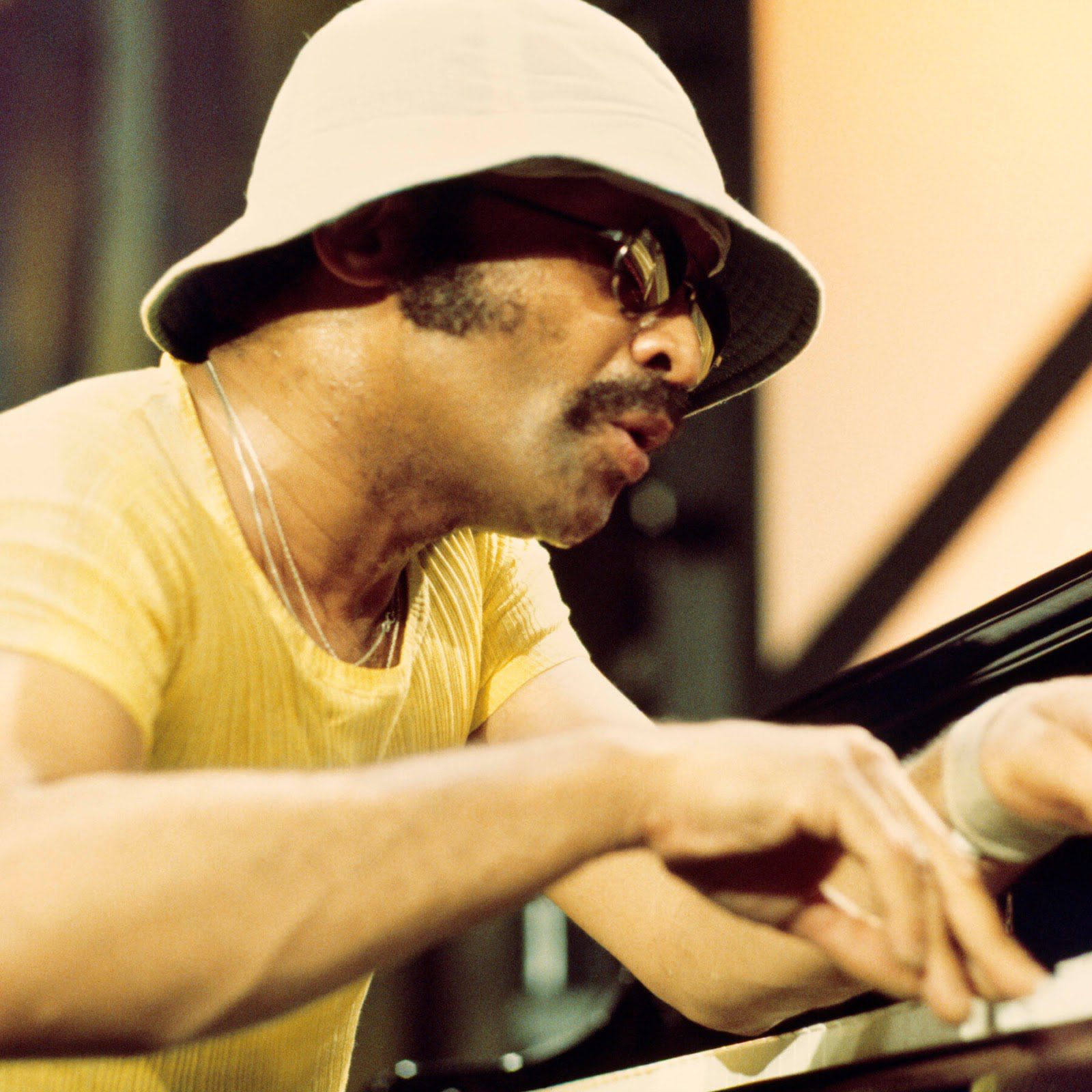
Taylor’s professional journey began in the early 1950s when he played rhythm and blues and swing in a small ensemble. By the mid-1950s, he was leading several of his own groups. In 1956, with the release of his debut recording Jazz Advance, Taylor established himself as a fearless musical radical. Though critics lauded his work, his audience was limited due to the challenging and unconventional nature of his music. Despite this, Taylor continued creating music both solo and with various artists and ensembles.
Virtuoso Innovator
Taylor was among the first musicians to break free from traditional harmonic structures in jazz improvisation. Free jazz is characterized by complete harmonic freedom, collective improvisation, expressive intensity, polyrhythms, elements of ethnic music, and a broad palette of sounds that includes even screeches and noises. Contrary to common belief, free jazz does not equate to musical chaos. It demands virtuosity, deep understanding among musicians, and a profound knowledge of jazz.
Taylor’s skill in improvisation was unprecedented. His approach to developing complex compositions pushed the boundaries of jazz. Of all the revolutionary jazz musicians of the late 1950s and early 1960s, Taylor ventured the furthest, expanding the concept of musical form like no one before.
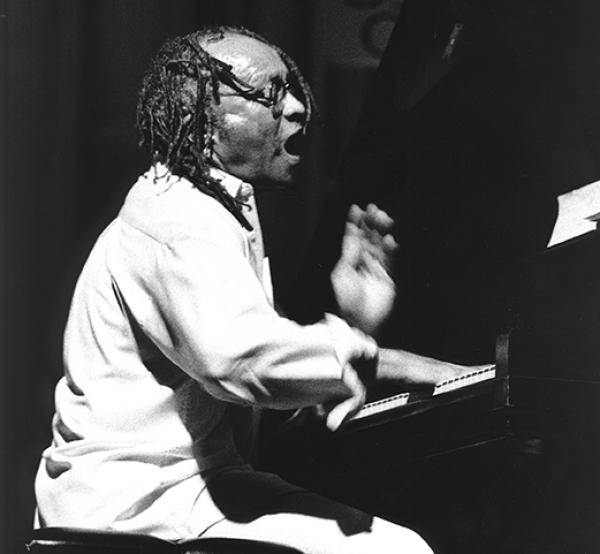
He developed a unique rhythmic concept and his orchestral and compositional elements spawned solos freer than any the public had ever heard. For Taylor, music was neither an end nor a product; it was an integral part of his comprehensive personal and artistic experience. This departure from traditional forms made it difficult to arrange concerts, as venues found his performances unprofitable. Nonetheless, he remained committed to his art.
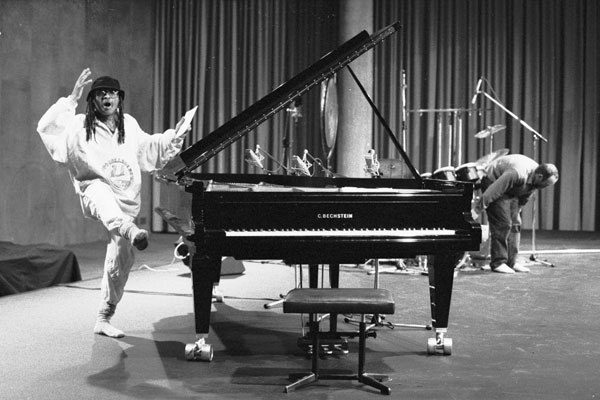
Dance was always an essential part of Taylor’s performances. Dance and song, which preceded his solo concerts in the mid-1980s, were as crucial to him as the music itself. His musical ideas and artistic ideals transcended sound and structure, encompassing a full sensory and intellectual experience in contemporary art.
Taylor often recited his own poetry during concerts, with verses referencing Aztec architecture, paleoanthropology, and crocodile reproduction, among other eclectic subjects. His active movements around the instrument were also a performance element. Even when free jazz gained popularity in the mid-1960s, Taylor remained an exception, as few could match his playing style, which involved striking the keys with his forearms, open palms, and elbows to create the sharp tones he sought.
It was in the 1970s that Taylor gained true recognition, as he began giving solo performances. Free jazz at this time transformed into a blend of poetry, polyrhythmic drums, and West African grooves.
Notable Albums
The Complete In Berlin ‘88 (Box Set)
Recorded in Berlin in 1988, this box set includes 14 hours of solo, duet, and ensemble performances across 11 discs. The ninth disc is an hour-long set of saxophone and string solos backed by Taylor’s intense piano chords, showcasing his incredible talent.
Looking (Berlin Version) The Feel Trio
Recorded live in Berlin in 1989, this album features Taylor with bassist William Parker and drummer Tony Oxley. Taylor’s sharp strikes add to the intensity of the album, making his performance as potent as Parker’s and Oxley’s.
Melancholy
Recorded in 1990 and released nine years later, Melancholy revived a previous form of jazz with its cosmic aura and atonal aesthetics.
CT: The Dance Project
This unique recording features light piano chords with a cosmic theme, with tracks like “Looking into the Universe” and “Emerging from the Cosmic Exterial” reflecting Taylor’s yearning to explore beyond Earth.
The Tree of Life
Recorded at the Berlin Opera House in 1991, this solo album reflects Cecil Taylor’s artistry at a crossroads, driven to open new creative and intellectual perspectives.
Corona
A collaboration with drummer Sunny Murray, Corona features tracks like “Sector 1” and “Sector 3,” which delve into Taylor’s favorite theme: space.
Always a Pleasure
Recorded in 1993, Always a Pleasure is a rich musical experience with contributions from a drummer, cellist, bassist, trumpeter, and two saxophonists, captivating even the most demanding listeners.
Death and Legacy
Throughout a career spanning over 50 years, Cecil Taylor recorded dozens of albums and continued creating until his 80s. In 1983, he moved to Brooklyn, where he passed away in 2018 at age 89. In his final days, Taylor was working on an autobiography and planning future performances.
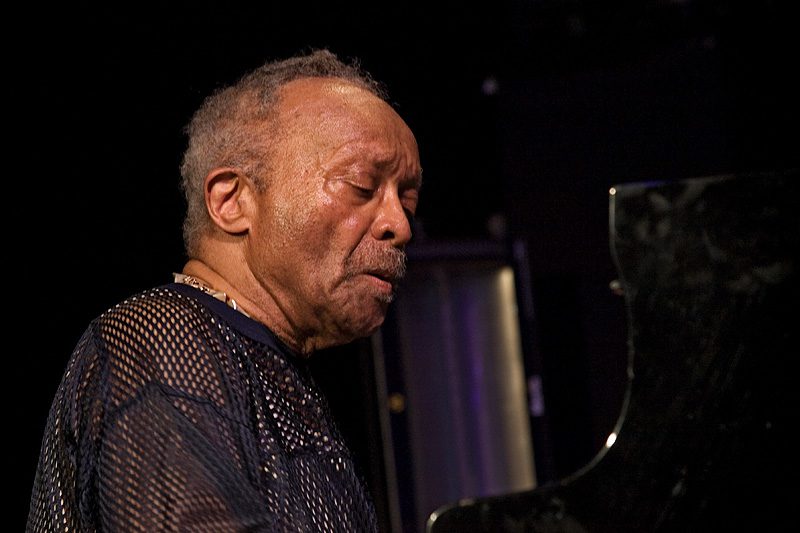
In 1990, the National Endowment for the Arts honored him as a Jazz Master. Cecil Taylor defied jazz traditions, becoming one of his era’s most original improvisers. Like many jazz musicians, he composed music, led bands, and spent decades performing in nightclubs and festivals. But from the beginning, Taylor set grand goals and never settled for less. He was a quintessential artist who resisted narrow definitions of what an educated musician of his background could or should achieve.