


Hip-hop, both as music and culture, originated in the 1970s in the Bronx, largely driven by African American, Caribbean, and Latino youth. However, another New York borough—Queens—played a significant role in shaping this genre. In the 1980s, Queens-based group Run–D.M.C. released the first hip-hop video in history, and the duo Eric B. & Rakim launched the legendary album Paid in Full. Queens was also the birthplace of hip-hop mogul Russell Simmons and a host of other artists, including rapper 50 Cent. Read on to learn more about how youth music evolved in this part of New York on queens-trend.
A Hub of Talent
The renowned rap group Run–D.M.C. was founded in Queens in 1981, and its impact on hip-hop is immeasurable. As one of the most iconic rap groups in hip-hop history, Run–D.M.C. was the first rap group to release a gold-certified album and be nominated for a Grammy. The group also became the first in its genre to go platinum and multi-platinum. In 2004, Rolling Stone ranked Run–D.M.C. at number 48 on its list of the greatest musical artists of all time. The members of Run–D.M.C. set style trends with their signature black hats, jeans, t-shirts, gold chains, and Adidas sneakers, igniting a street fashion revolution.
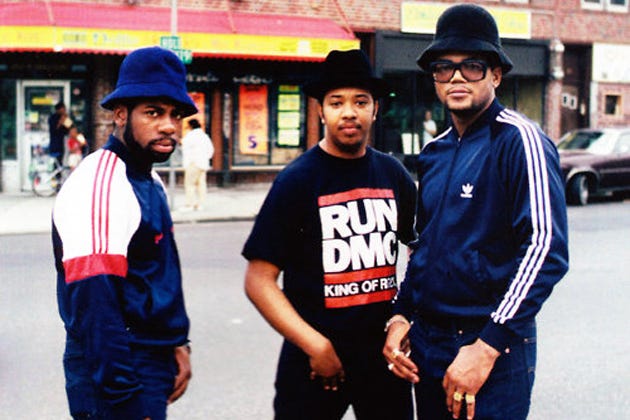
Hip-hop music, especially in its early days, was seen as the voice of marginalized communities and lower-income neighborhoods. Many foundational hip-hop artists had Latin American or Caribbean backgrounds, making it a genre shaped by New York’s multicultural environment.
Another major star of that era from Queens was LL Cool J, hip-hop’s first sex symbol. James Todd Smith (LL Cool J’s real name) had a troubled childhood; at the age of four, he witnessed his father shoot his mother and grandfather. After they recovered, his mother began dating a young physical therapist who abused Todd physically and verbally, leading him to act out as a bully. It was during this time that he began to wear his signature hats.
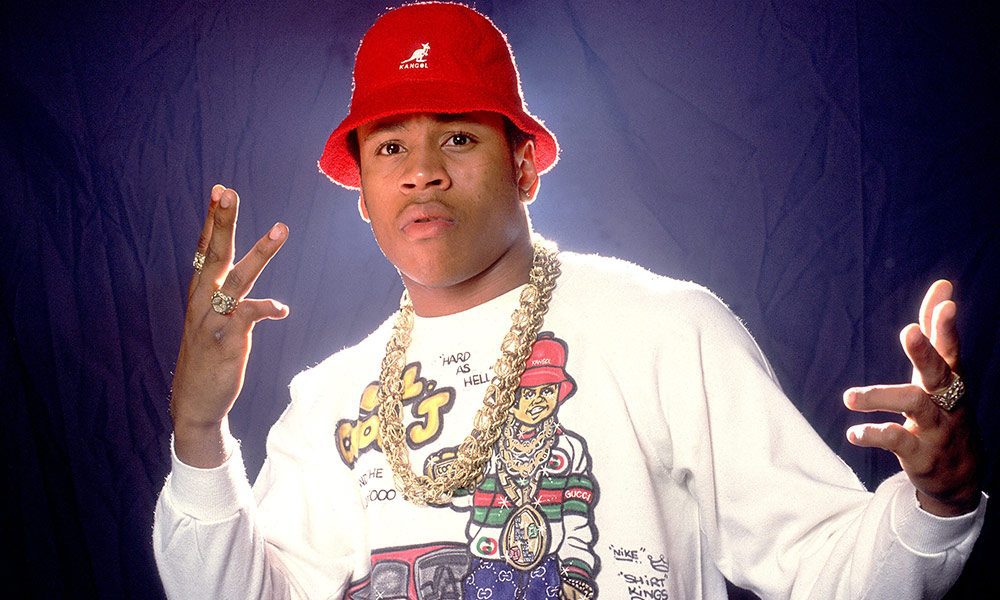
As he grew older, Todd found solace in hip-hop. By the age of nine, he had fallen in love with it, and by eleven, he was writing lyrics and creating his own songs with a DJ. After performing at his high school, Todd decided to pursue a career in rap, inspired by the admiration of his female classmates who asked for his autograph.
Signing with Def Jam Recordings in 1984, LL Cool J became one of the first rappers to achieve commercial success, breaking through with his single I Need a Beat. He also acted in many films and series. Among the Grammy winner’s top tracks are Going Back to Cali, I’m Bad, The Boomin’ System, Rock the Bells, and Mama Said. In 2010, VH1 included LL Cool J in its list of the “100 Greatest Artists of All Time.” Seven years later, he became the first hip-hop artist to receive the Kennedy Center Honors for his contribution to American culture.
The Famous Housing Project
The Queensbridge Houses in Long Island City played a crucial role in hip-hop history. DJ and producer Marley Marl, the group Juice Crew, and rapper Roxanne Shanté all began their careers here, finding their first fans within the community. Roxanne Shanté’s life story gained popularity through the biographical film Roxanne Roxanne, which detailed her challenging life. Born into poverty, she started participating in street rap battles at the age of nine, crafting her lyrics on the spot.
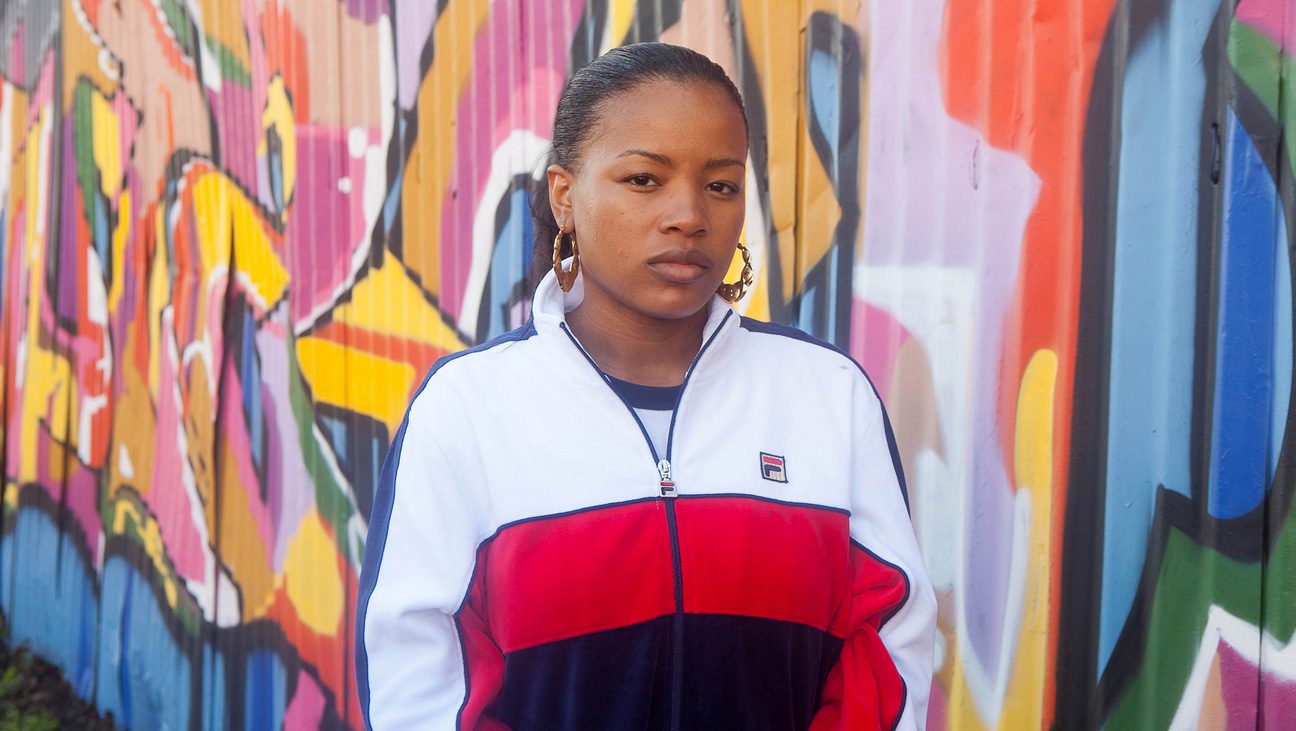
Her mother had saved to move the family from a troubled area to a house in New Jersey, but her savings were stolen by her then-boyfriend. This event drove Shanté’s mother to drink. Shanté left home at fourteen, supporting herself through petty theft. Even after musical success, Shanté’s struggles continued with domestic violence and fighting to regain custody of her child. At one point, disillusioned, she almost left hip-hop until a major label offered to produce her debut album.
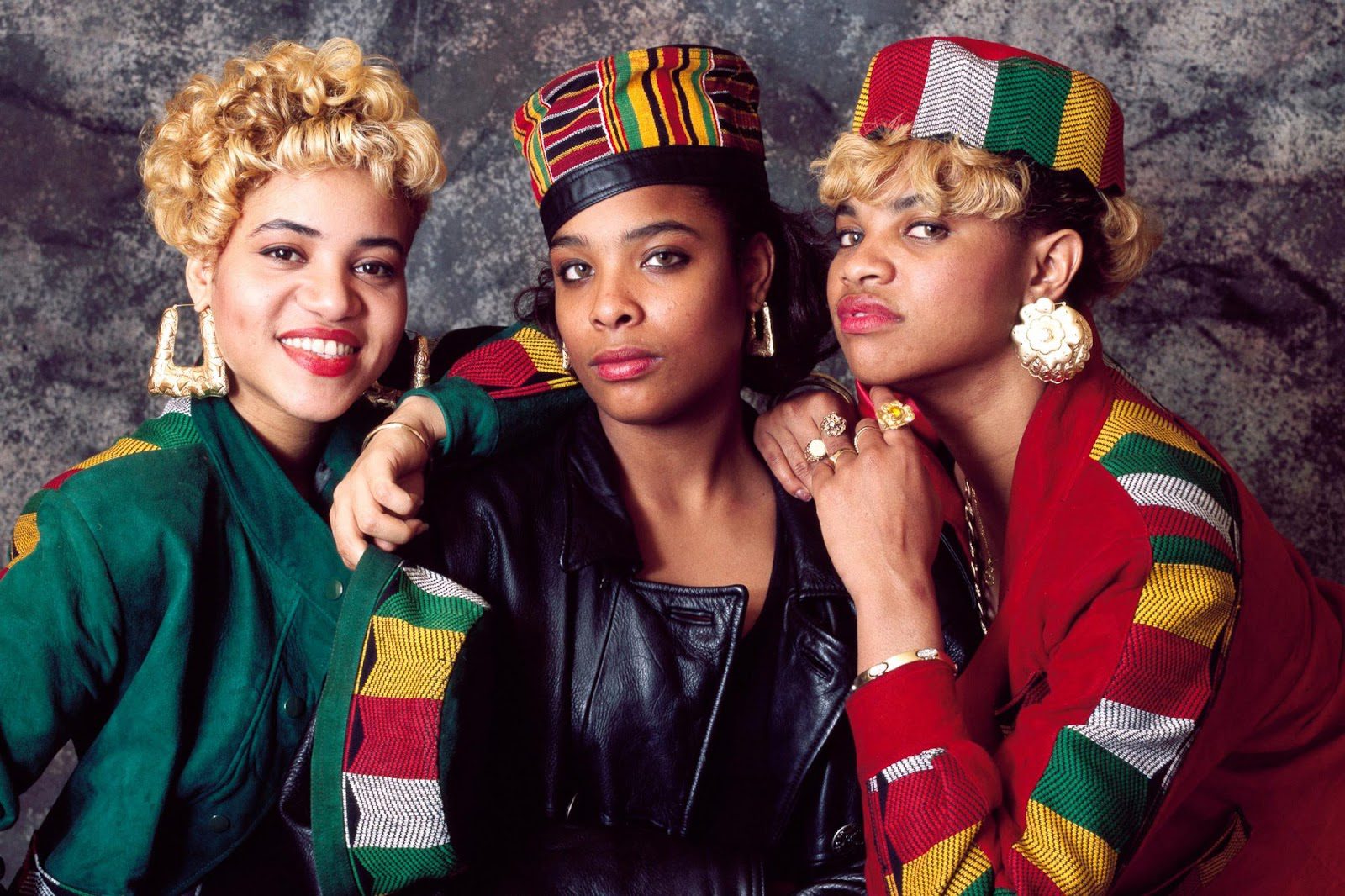
As for Marley Marl, Vibe magazine wrote that he forever changed the sound of hip-hop with his unique beats. Marl grew up in the Queensbridge Houses and performed at local talent shows as hip-hop began taking shape. He played a pivotal role in the career of the female trio Salt-N-Pepa. Formed in 1985, the group became the first all-female rap group to achieve platinum status, selling over a million copies of Hot, Cool & Vicious in the U.S. Salt-N-Pepa has since won multiple Grammys and sold over 15 million records worldwide, making them one of the best-selling rap groups of all time.
Dark Chapters of History
As is often seen in hip-hop culture, many of its representatives have had encounters with the law. In the 1980s and 1990s, Queens was home to several criminal groups, most notably the Supreme Team, led by Kenneth McGriff and his nephew Gerald Miller.
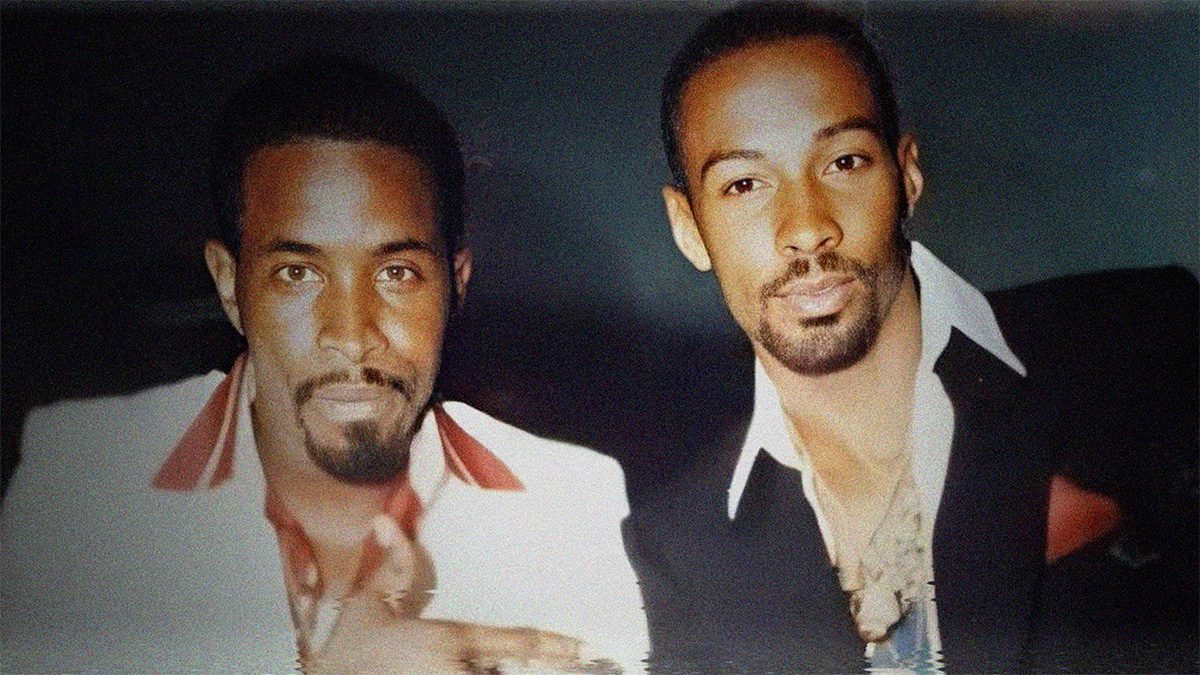
This criminal syndicate wielded significant power and wealth, with their lavish lifestyles admired within the rap community. Their cars, designer clothes, and luxury parties were frequently referenced in tracks by Jay-Z, Nas, LL Cool J, and Biggie Smalls.
The Supreme Team used coded language and number systems for communication. In February 2007, rapper and gang leader McGriff was sentenced for racketeering, two contract killings, drug trafficking, and illegal financial dealings. Although initially facing the death penalty, his sentence was reduced to life imprisonment.
Alternative Hip-Hop
In the 1990s, Queens musicians continued pushing the genre’s boundaries. The Native Tongues collective represented alternative hip-hop, known for their upbeat, Afrocentric lyrics. The group’s members were among the first to fuse hip-hop with jazz rhythms, representing a broad range of styles that defied traditional rap norms.
Nas’s Illmatic album is celebrated as one of the greatest hip-hop recordings, with his unique style emphasizing flow, storytelling, and self-reflection. His work inspired a generation of rappers to explore personal emotions and experiences more deeply.
Mobb Deep is considered one of the pioneers of hardcore East Coast hip-hop. Their 1995 album The Infamous became a rap classic, bridging conscious hip-hop with a grittier, modern sound.
Icons of the 21st Century
A true breakthrough in Queens rap came with 50 Cent, whose talent was recognized by hip-hop legend Eminem. After a youth steeped in crime, drugs, and violence, 50 Cent turned to rap and quickly rose to fame. His career is marked by numerous hits, feuds with other rappers, arrests, and both legal and financial challenges.
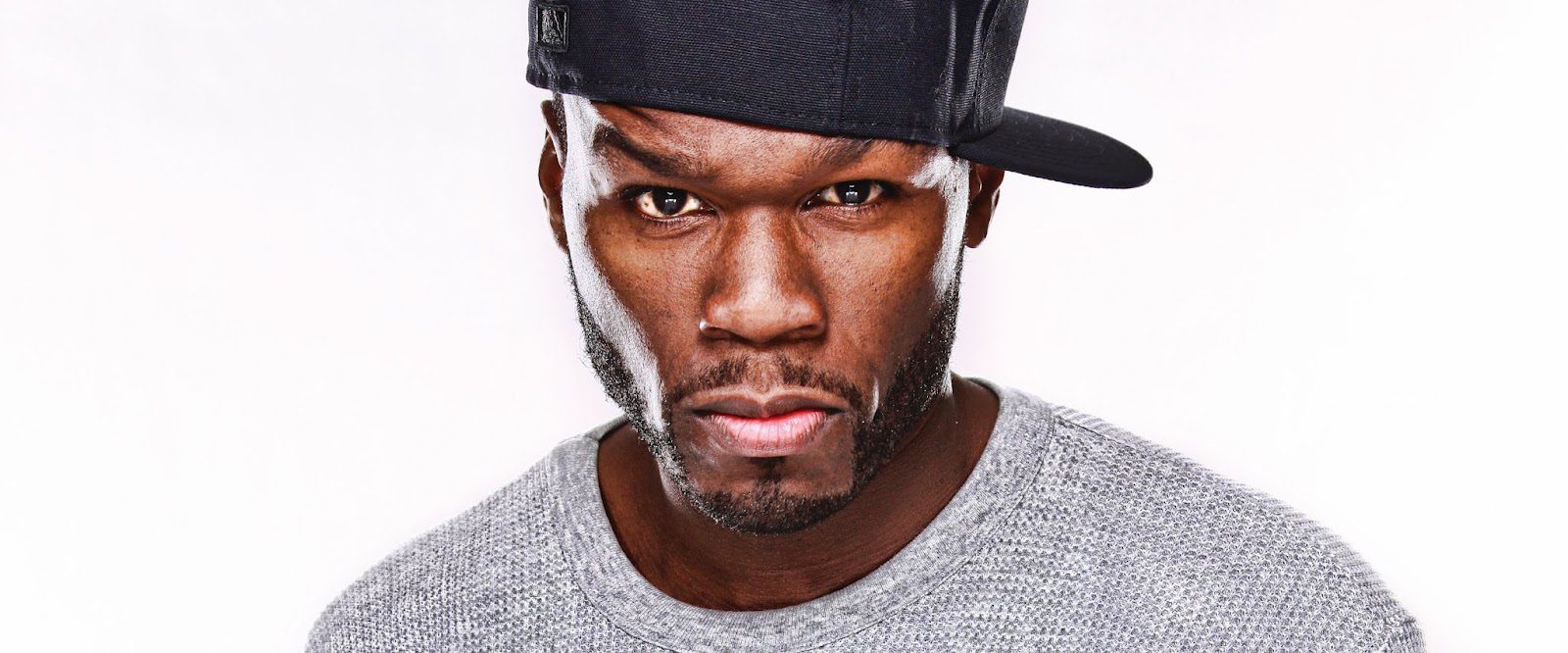
Hip-hop continued to thrive in Queens with independent artists like Anik Khan and Nicki Minaj. Though not originally from Queens, Minaj made the borough her second home and took rap to a new level with over 20 hits. Another key player from the borough is Action Bronson, born in Flushing.