


Formed by longtime friends and East Coast rappers, G-Unit gained a devoted following in New York’s underground hip-hop scene. The group’s popularity was fueled by frequent controversies involving disputes among its members and clashes with other artists. Read on for an in-depth look at how this Queens-based group made waves. Next on queens-trend.
50 Cent’s Initiative
The group was founded in 1999 in South Jamaica, Queens, by East Coast rappers 50 Cent, Tony Yayo, and Lloyd Banks. Growing up together, they developed a shared love for hip-hop, starting to rap in their teens.
The group’s inception was tied to a series of unfortunate events. In early 2000, 50 Cent was nearly killed in South Jamaica when his car was shot multiple times, with bullets striking his chest, arms, and face. Fearing financial losses, Columbia Records terminated their contract with 50 Cent. However, in 2002, Eminem signed him to Shady Records with a $1 million contract. After also signing with Interscope, 50 Cent was given his own record label, leading to the creation of G-Unit Records, where he invited Lloyd Banks and Tony Yayo to collaborate as G-Unit.
However, Tony Yayo’s involvement was interrupted due to his imprisonment for gun possession and evading authorities. He was later arrested again for possessing a fake passport. While Yayo was incarcerated, 50 Cent signed Tennessee rapper Young Buck to the group. In 2003, G-Unit released their debut album Beg for Mercy, which achieved quadruple platinum status from the RIAA.
The individual success of 50 Cent contributed significantly to G-Unit’s popularity. That same year, he released his album Get Rich or Die Tryin’, produced by Eminem and Dr. Dre. Its lead single, “In da Club,” set a record for the most radio plays in a week. 50 Cent’s muscular, tattooed image complemented his “gangster” lyrics, while his story of overcoming drugs, violence, and poverty further captivated fans.
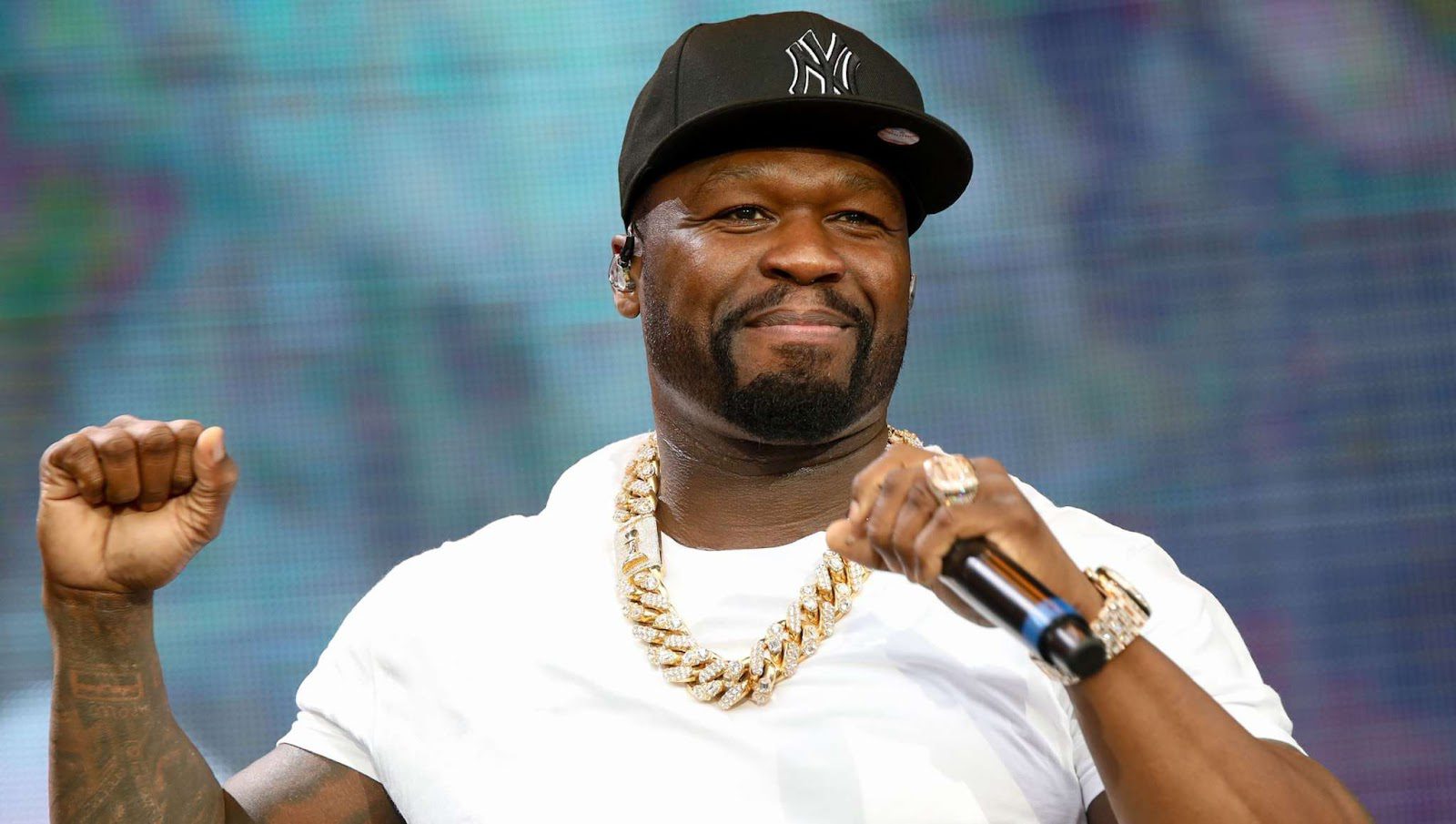
Feuds, Reunion, and Decline
In 2008, 50 Cent announced that Young Buck was no longer a member of G-Unit but still under contract with G-Unit Records. Young Buck alleged the label hadn’t paid him royalties, while 50 Cent accused him of disrespectful behavior and an inflated ego. That same year, the group released their second album, T.O.S. (Terminate on Sight). Some tracks still featured Young Buck’s voice, as they were recorded earlier. In 2014, Tony Yayo announced he was leaving the music industry due to its high stress, feeling he had reached his peak.
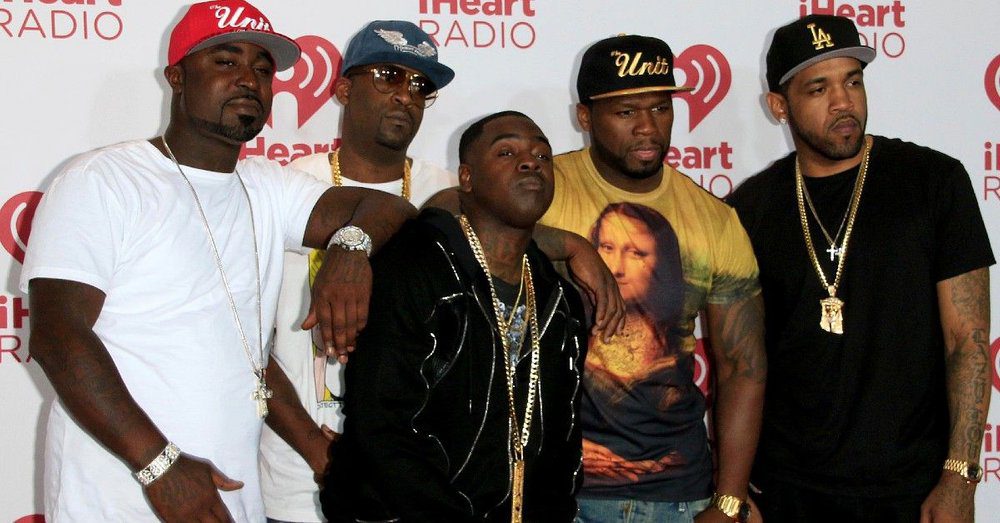
Despite internal conflicts, G-Unit unexpectedly reunited in 2014 at the 21st annual Summer Jam hip-hop festival. Alongside 50 Cent, Lloyd Banks, Tony Yayo, and Young Buck, the new member Kidd Kidd from Louisiana joined the group. During June 2014, G-Unit released multiple remixes of popular songs, and on August 25, they surprised fans with an EP, The Beauty of Independence. In March 2015, they released another EP, The Beast Is G-Unit. Kidd Kidd left the group in April 2018 for a solo career, followed by Lloyd Banks and 50 Cent later that year. By 2022, G-Unit had officially disbanded.
Scandals
As with many hip-hop groups, G-Unit members frequently found themselves involved in conflicts. In 2005, a feud erupted between G-Unit and The Game, a rapper who had contributed to some members’ solo albums. While recording his debut album The Documentary at G-Unit Records, 50 Cent accused The Game of failing to properly acknowledge his support during the album’s creation. Additionally, 50 Cent was frustrated with The Game’s refusal to partake in feuds with other rappers, calling him disloyal for not supporting G-Unit in their battles.
A violent altercation ensued when members of The Game’s entourage fired shots at 50 Cent and his associates at New York’s Hot 97 radio station. During the skirmish, a member of The Game’s entourage was shot by security. Although 50 Cent and The Game publicly declared a truce, fans speculated the feud was staged to boost album sales. However, hostilities reignited in 2007. Tony Yayo and his friend Lodi Mack were involved in an incident where they assaulted the 14-year-old son of The Game’s manager, Jimmy Henchman. Although Lodi Mack was arrested, Henchman later allegedly hired a hitman to retaliate, resulting in Lodi Mack’s death.
The group also clashed with rapper Fat Joe, who accused 50 Cent of providing information about the music industry to the police. Fat Joe claimed that the police presence at the 2005 MTV Video Music Awards was authorized by G-Unit. In 2012, the two rappers made peace by shaking hands. Another rival, Cam’ron, had a live on-air argument with 50 Cent during a Hot 97 radio interview.