


Queens is a cultural epicenter, with its vibrant artistic expression fueled by a diverse demographic. The borough boasts a dynamic musical legacy, with legends like Louis Armstrong leaving an indelible mark on jazz, while punk and hip-hop helped shape global music trends. This diverse music scene not only draws visitors from all over the world but also fosters a unique community spirit. Read on for more about the history of popular music genres in Queens on queens-trend.
The Home of Jazz Icons
Jazz emerged in the late 19th and early 20th centuries in the United States, particularly among the oppressed African-American population descended from enslaved people forcibly taken from their homeland. During the Great Migration, many Black Americans left the South in search of better lives in places like California, Chicago, Philadelphia, Detroit, and New York. Many settled in Queens, drawn by its pastoral appeal, contrasting with the densely developed areas of Manhattan and Brooklyn. For instance, jazz pianist Clarence Williams and his wife, jazz singer Eva Taylor, moved to Jamaica, Queens, from Louisiana in 1923. By the mid-20th century, Queens had become a thriving jazz hub.
Jazz royalty Louis Armstrong lived in Queens. The American jazz musician, trumpeter, and vocalist became one of the most popular jazz artists of the 20th century. Growing up in a poor neighborhood of New Orleans, Armstrong’s family faced significant hardships—his father abandoned them, his mother worked as a prostitute, and his grandparents had been enslaved. As a child, Armstrong sold newspapers and delivered coal to survive. At age 12, he was sent to a juvenile detention center for stealing a gun and shooting it in public, where he began playing in a brass band.
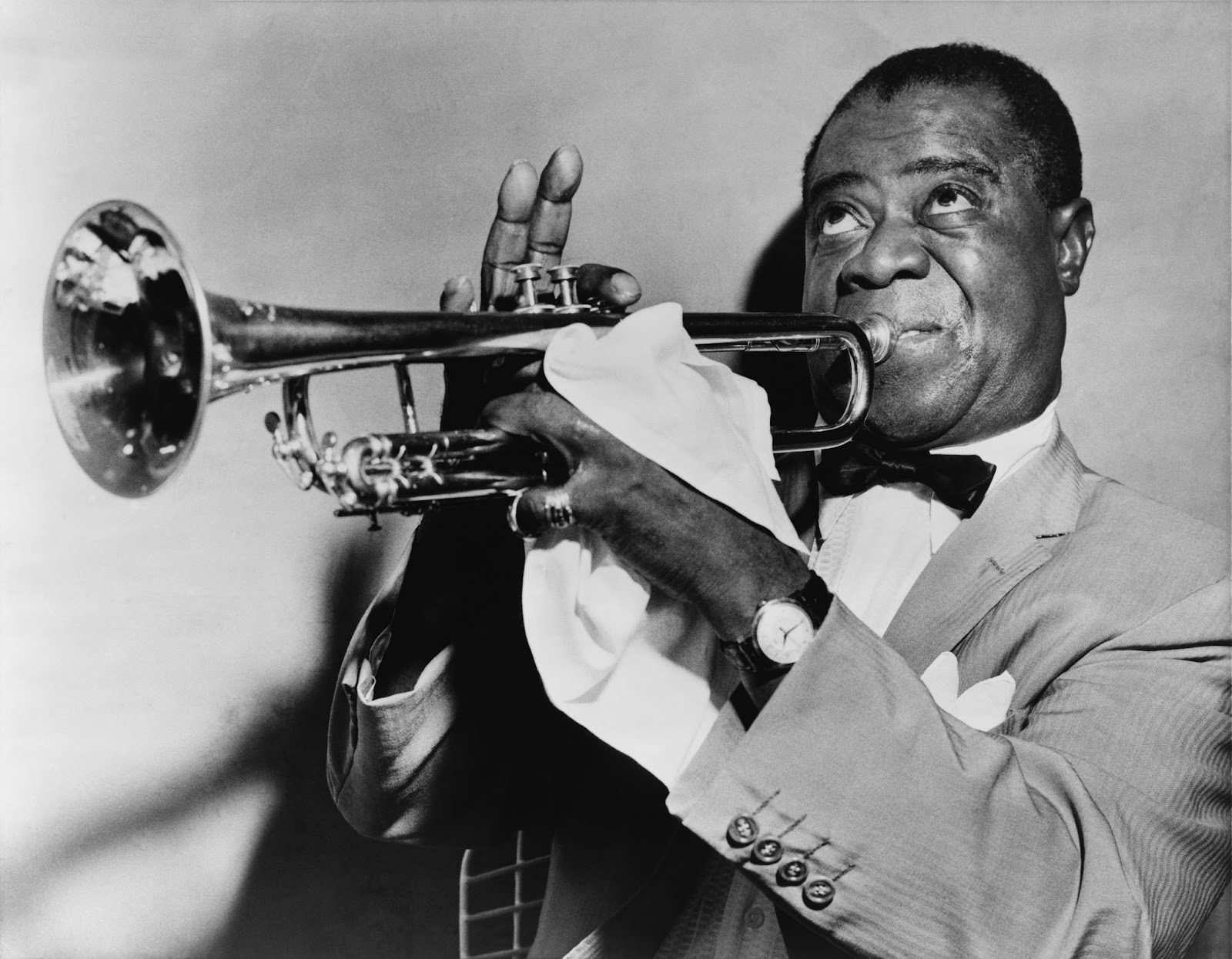
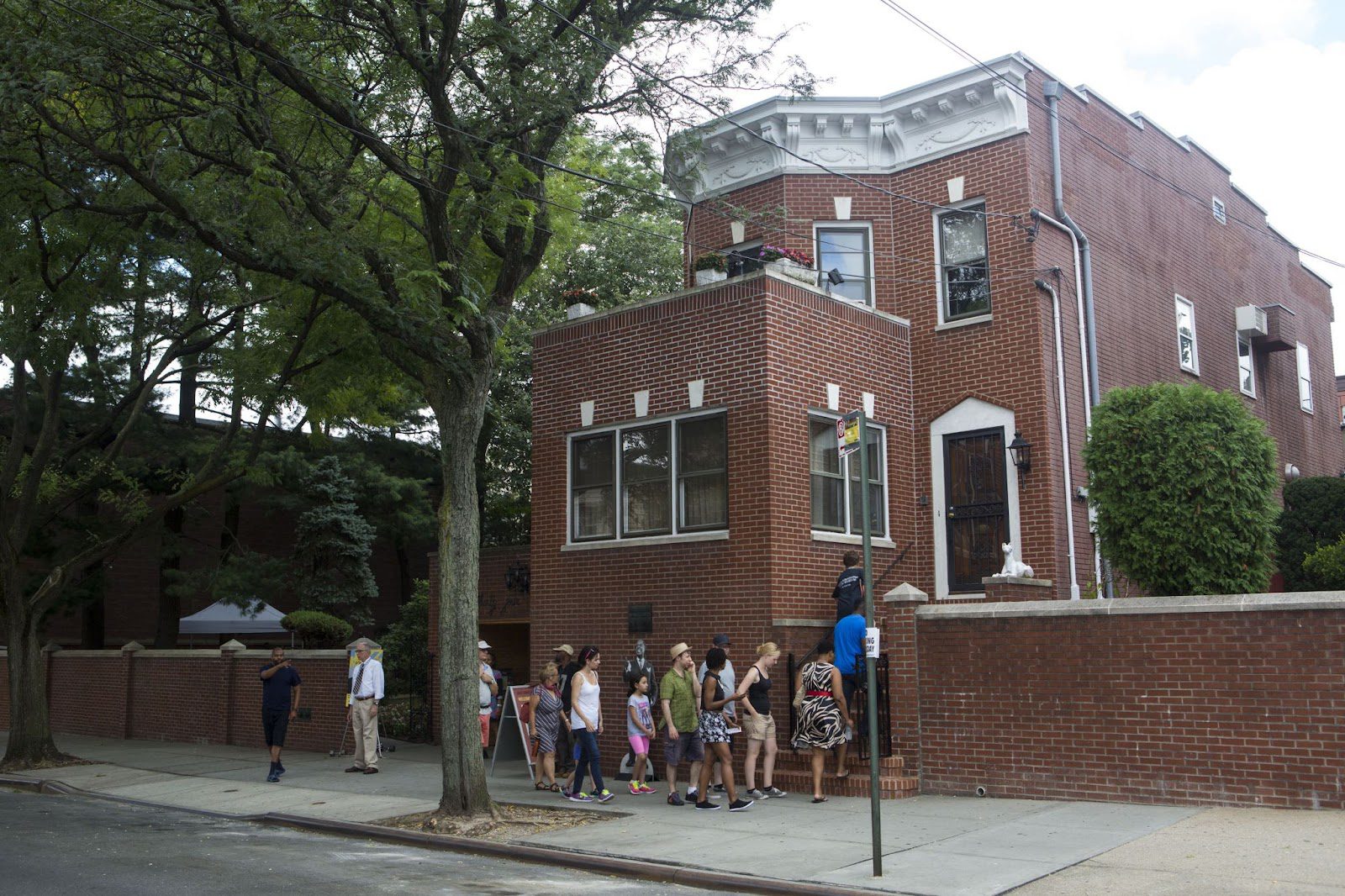
Armstrong’s fame skyrocketed in 1922 when he became one of the most sought-after cornet players in Chicago under the mentorship of Joe “King” Oliver. In 1924, his pianist wife advised him to start a solo career. Just a year later, he began releasing records under his own name. Armstrong’s improvised solos transformed jazz from ensemble music into a true art form. After years of constant touring, Armstrong suffered his first heart attack in 1959. Despite his doctors’ advice to retire due to heart and kidney issues, Armstrong continued his musical journey in his Corona, Queens, home, where he lived from 1943 until his death. Armstrong returned to performing in 1970 but passed away in his sleep just a year later. His unique vocal transformations in songs revolutionized the concept of American pop music, greatly influencing vocalists like Bing Crosby, Billie Holiday, Frank Sinatra, and Ella Fitzgerald.
Queens’ diverse population created fertile ground for jazz to thrive and influence global music trends. Numerous jazz clubs and dedicated venues emerged throughout the borough in the mid-20th century. The Louis Armstrong House Museum stands as a testament to the borough’s jazz legacy, housing archival materials that chronicle his life and work. Since 2003, the museum has offered tours for all enthusiasts.
The Aesthetic of Punk
In the mid-1970s, punk rock—a genre blending social protest and musical defiance—emerged in New York and London. By the late 1970s and 1980s, Queens had become fertile ground for this new genre. The punk scene in Queens significantly impacted New York’s broader punk culture, with punk aesthetics infiltrating fashion, art, and forming an identity for an entire generation.
Music critics often consider Ramones to be the first true punk band, though they never achieved massive commercial success. Their self-titled debut album is hailed as the first genuine punk album. Ramones’ music style was a response against hard rock and progressive rock, which had drifted far from traditional popular music. Formed in Queens, the band existed from 1974 to 1996, producing simple, harmonious rhythms and catchy melodies. Their music was marked by dynamic drumming, fast bass notes, short guitar riffs, and an expressive stage presence. Most of their lyrics were aimed at a younger, less-educated audience.

The band played 2,263 concerts, touring almost non-stop for 22 years. However, real critical acclaim came after the band disbanded, with Rolling Stone listing them among the “50 Greatest Artists of All Time” and the “25 Greatest Live Albums of All Time.”
Music of the Streets
Hip-hop as a genre and cultural movement began in the Bronx during the 1970s, driven by African-American, Caribbean, and Latino youth. However, Queens also had a significant impact on the genre’s evolution. Hip-hop pioneers like Run-D.M.C. and LL Cool J were instrumental in defining the genre’s sound. Their innovative contributions not only boosted hip-hop’s popularity but also established Queens as a nurturing ground for musical talent.
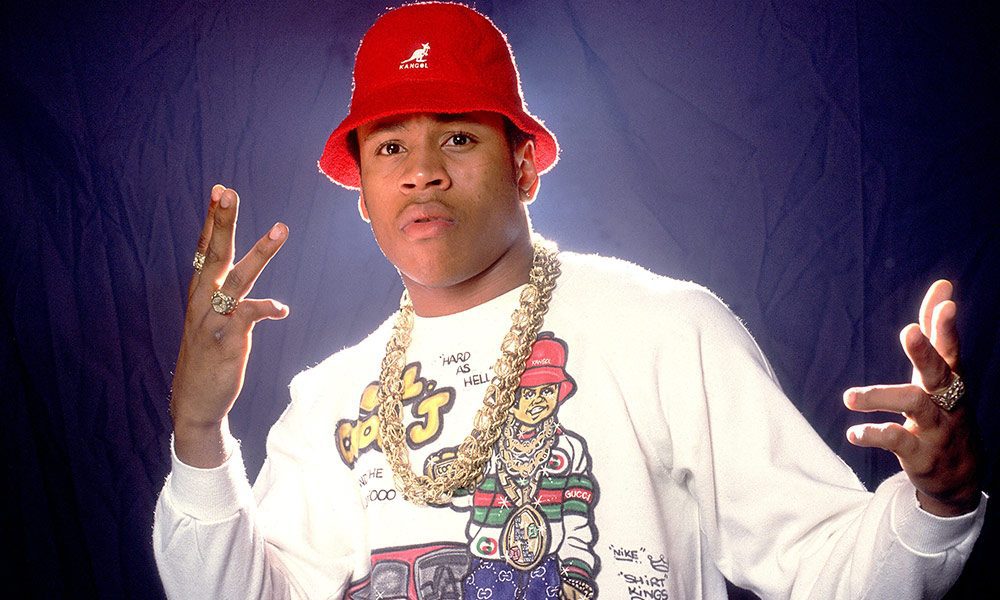
In the 1980s, Queens’ Run-D.M.C. produced the first-ever hip-hop video, and Eric B. & Rakim released their iconic album Paid in Full. The borough was also home to the first hip-hop mogul, Russell Simmons, along with many other artists, including 50 Cent. A superstar of the era, LL Cool J, who faced a tough childhood, often wrote about his experiences in his tracks. Born James Todd Smith, LL Cool J witnessed his father shoot his mother and grandfather when he was four. After their recovery, his mother began dating a young physical therapist who physically and verbally abused Todd, leading him to become a bully himself. This challenging time led him to wear his signature hats. At nine, he found solace in hip-hop, and by eleven, he was writing lyrics and making his own tracks with the help of a DJ. LL Cool J was among the first rappers to achieve commercial success.
In Queens, hip-hop became a powerful form of self-expression, reflecting social issues that resonate globally, influencing music, fashion, and cultural discourse. This profound impact underscores hip-hop’s role as a cultural beacon and platform for social commentary, amplifying the voices of marginalized communities.
The Modern Music Scene
Queens in the 21st century is a vibrant musical tapestry where jazz, punk, and hip-hop dominate. This diverse legacy not only shapes the borough’s cultural identity but also influences global music trends. Queens boasts a variety of music venues and hosts numerous festivals and events each year. From iconic locations like Forest Hills Stadium to smaller, intimate clubs, these spaces offer artists the chance to connect with audiences and grow their fan base.