


American singer Kelly Price began her musical journey by performing as a backup singer for well-known artists and writing songs for them. Through determination and talent, she forged a successful path as a solo artist. With a powerful voice honed in church choirs, Price skillfully blended contemporary gospel with deep R&B. Read more on queens-trend.
Musical Childhood
Price was born on April 4, 1973, in Queens. Under the watchful eye of her mother and the guidance of her grandparents, she grew spiritually, studying God’s word and attending church services. It was in church that Kelly discovered her love for singing, a passion that would greatly influence her gospel compositions.
From a young age, Kelly was surrounded by music. While most infants would cry and need soothing in the night, Kelly’s household would awaken to the melodies she hummed in her crib. Music was not just something on the radio or TV or in church; it was a vital part of everyday life for her. She quickly learned to channel her emotions through music. At just seven years old, Kelly was moved by a book about African American history and wrote a song to express her complex feelings.
Early Days as a Backup Vocalist
In 1992, while attending rehearsals for the Grammy Awards, Price overheard pop and R&B singer Mariah Carey. Soon after, she met Carey’s then-husband, who offered her a position as a backup vocalist. For five years, Price sang backup for Mariah Carey, touring with the pop diva across the globe.

During this time, Kelly learned the intricacies of studio work and music production. While her peers attended college, Price was learning from the best in show business. Over the years, she sang, toured, wrote songs, arranged, and produced music for artists like Mariah Carey, Whitney Houston, George Michael, Aretha Franklin, and many other music legends.
Solo Career
Many record labels sought to employ Kelly’s songwriting talent, but her persistence convinced producer Ronald Isley to give her a solo opportunity. In 1998, she released the album Soul of A Woman, featuring the popular anthem “Friend of Mine.” This song topped the Billboard R&B/Hip-Hop chart and climbed to number 12 on the Hot 100.
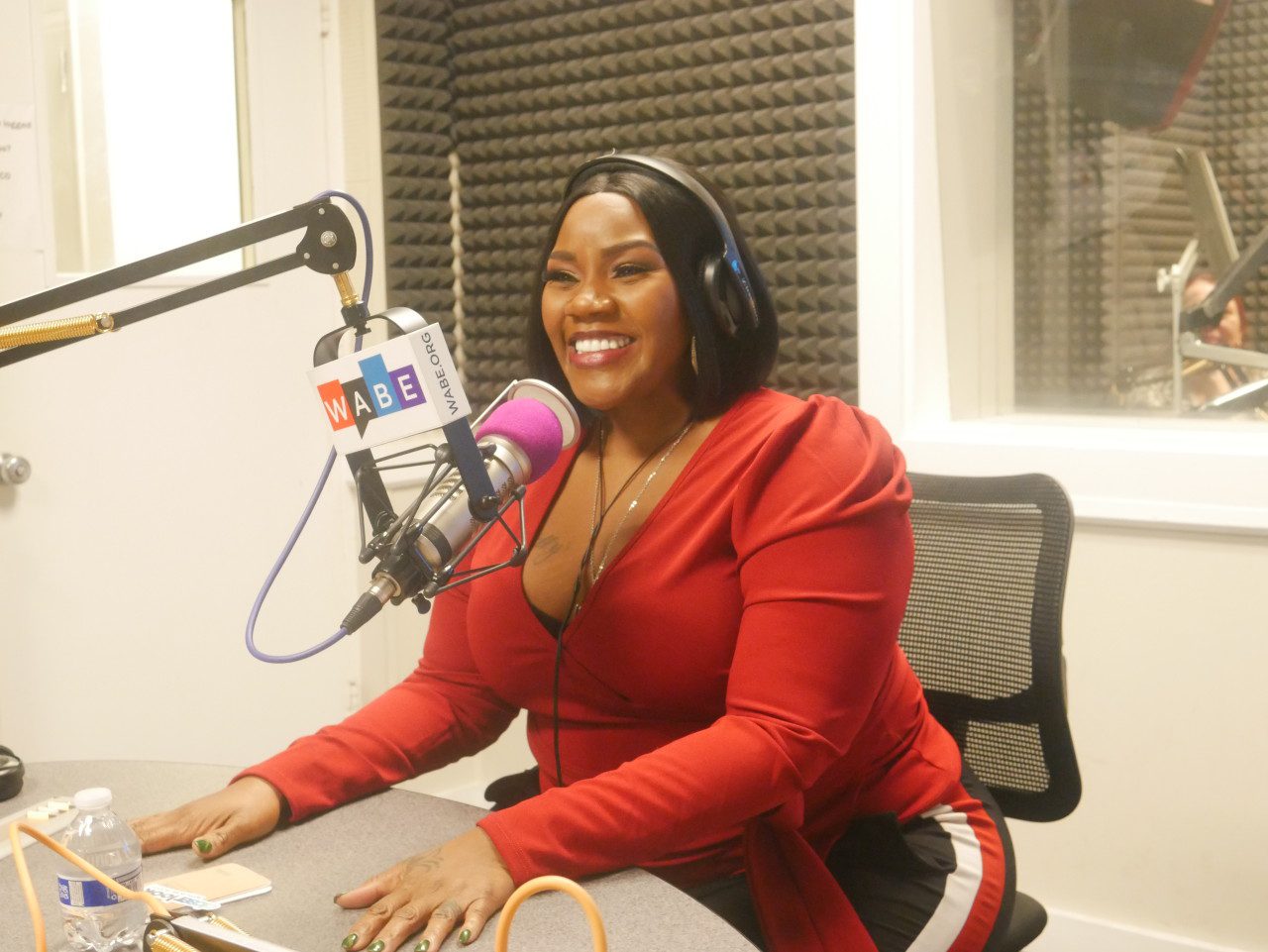
Following her debut success, Price released more albums. Her first gospel album, This Is Who I Am, released in 2006 on her own label, EcclecticSounds Records, debuted at number one on the Billboard Gospel Charts. Gospel music, rooted in North American Black Baptist spirituals with themes from the Gospels, traditionally centers on vocal harmony. It is a foundational genre in Christian music and an essential part of Christian media. Gospel is performed for a range of purposes, from religious observance to pure enjoyment.
In 2006, Kelly recorded “Why?” for the soundtrack of Why Did I Get Married?, a film adaptation of the play in which she once portrayed Sheila. In June 2010, she performed her single “Tired” on The Jazz Joy and Roy radio show, calling it one of her finest works.
Her 2011 album Kelly earned three Grammy nominations. In February 2012, Price sang Jesus Loves Me with Whitney Houston at a Grammy pre-party. This was Houston’s last public performance, as she passed away two days later from accidental drowning likely caused by a mix of alcohol and antidepressants.
In 2016, Price collaborated on several tracks from Kanye West’s album The Life of Pablo. That same year, she co-wrote the single “Not a Little Bit” for R&B singer K. Michelle.
Personal Life
From 1992 to 2016, Price was married to her manager, Jeffrey Rolle. After 23 years together, they parted ways following her sister’s unexpected death. During their marriage, the couple had two children. Price explained that her decision to end the marriage stemmed from a desire to live life more fully. She chose to move forward rather than compromise her happiness.
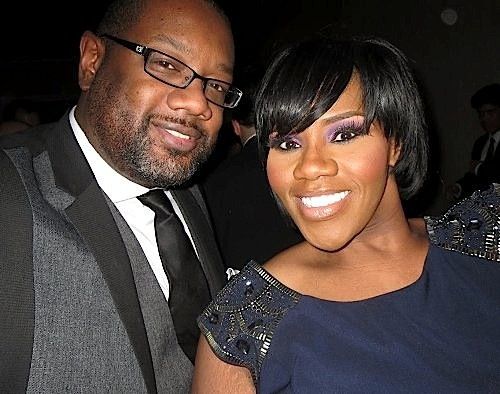
Post-divorce, Price faced criticism, particularly from women who labeled her a “failure” for not saving her marriage. In a time of emotional hardship, rather than support, Price faced a wave of judgment. She noted that people made assumptions without knowing the full details of her personal life or understanding the lack of respect in her marriage.
Price had moved out of the family’s Los Angeles rental home in 2014, and her husband and daughter were evicted months later. In early 2015, the landlord filed a lawsuit, claiming that the couple had damaged the property, costing him $100,000 in repairs. That year, the landlord won monetary damages in court.
Price’s second husband was Darrell Crump, whom she met in church while still married to Rolle. Fans criticized her for keeping their relationship hidden. After a year of dating, Crump proposed to Price.

In September 2021, Price made headlines when she was reported missing. It was later revealed that she had secretly left the hospital, where she was being treated for COVID-19, to recover privately. Shortly after she was declared missing, Kelly reconnected with her family.
Following her illness, Price took a hiatus. When her personal life improved, she resumed touring. Thanks to regular training and vocal coaching, Price fully restored her voice.
Breast Cancer Advocacy
Both Price’s mother and mother-in-law were diagnosed with breast cancer, a battle her mother-in-law ultimately lost. In 1997, Price’s mother, Claudia, felt pain in her breast, but due to fear and lack of health insurance, she did not seek help. She waited two years before visiting a doctor, who diagnosed her in 1999 with a bleak prognosis of only two months to live. After undergoing chemotherapy, she reached remission by October 2006.
In 1999, Price joined a charity fashion show to raise funds for breast cancer awareness among minority women. A year later, she donated $250,000 to breast cancer research. Inspired by her experience, Kelly’s mother also became an advocate, raising awareness about this life-threatening disease.
Breast cancer remains one of the most common cancers worldwide, affecting 1 in 13 women. Breast cancer rates in developed countries surged in the 1970s, likely due to lower birth rates and shorter breastfeeding periods.